Julia 与 Clara 是相交多年的闺蜜,正值五十岁人生阶段,各自深陷婚姻危机、职业瓶颈与空巢焦虑。两人的女儿一同前往葡萄牙里斯本交换留学,她们决定借机挣脱乏味日常,结伴奔赴葡萄牙探望女儿。这场原本轻松的欧洲度假,途中意外不断,最终演变为一场重塑自我的治愈旅程,二人重新读懂女性友谊的力量,找回自我价值。
Julia 与 Clara 是相交多年的闺蜜,正值五十岁人生阶段,各自深陷婚姻危机、职业瓶颈与空巢焦虑。两人的女儿一同前往葡萄牙里斯本交换留学,她们决定借机挣脱乏味日常,结伴奔赴葡萄牙探望女儿。这场原本轻松的欧洲度假,途中意外不断,最终演变为一场重塑自我的治愈旅程,二人重新读懂女性友谊的力量,找回自我价值。
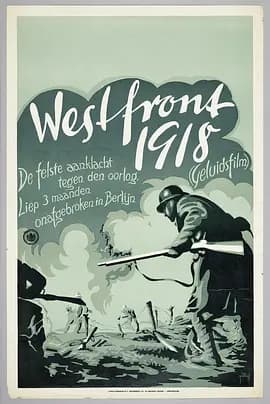
According to Sadoul in his "Dictionary Of Films": "The life and death of four average soldiers attached to the same company on the French front during the last months of World War I. Karl (Diessl), from Berlin, goes home on leave and finds his wife (Hoessrich) in bed with another man. A Bavarian (Kampers) takes life as it comes, while the lieutenant (Clausen) sticks to his duty. Anex-student (Moebis) falls in love with a French girl (Monnier) but loses her when the company moves on. All of them, sooner or later, meet a terrible end. Best sequences: the men buried alive during a bombardment; the first romantic meeting between the young student and Yvette; Berlin in the midst of food rationing with queues at all the shops; the death of the student at the hands of a wounded soldier in no-man's-land; the tank attack; the lieutenant going mad; the wounded and the dying in the ruined church converted into a field hospital. "Far better than the contemporary All Quiet On The Western Front, Westfront 1918 has little dialogue but gives tremendous dramatic force to natural sounds (Pabst refused to use music). As John C. Moore describes the final sequences: 'Pabst makes one last desperate effort to convey to us not only the horror of war but its futility and its gross stupidity as well.' Released to tremendous international acclaim, it still must be included among the finest war films ever made."