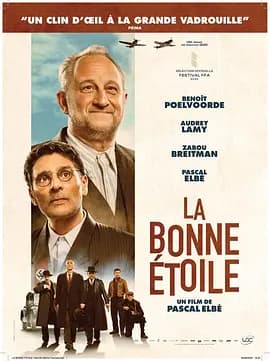
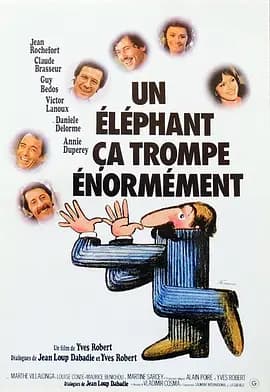
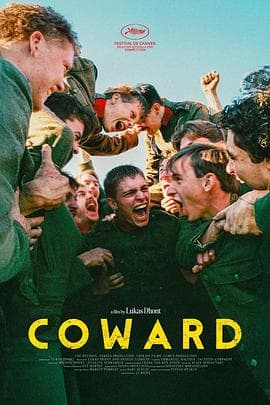
The script dives into 1940s France. Jean Chevalin and his family have been living in poverty since he deserted. With his many prejudices and convinced that “some” have it easier in this war, Chevalin persuades his wife to create a false jewish identity in order to benefit from the help of smugglers to access the free zone. From misunderstandings to revelations, having become a resistance fighter despite himself, he will go through a series of events that will deconstruct his prejudices one by one…
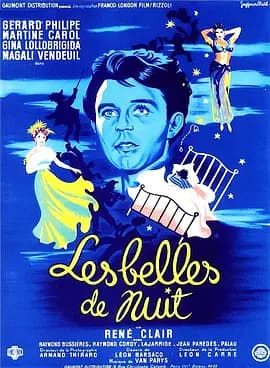
Nice, summer of 1936. The elite are stunned as the first working-class vacationers arrive on the French Riviera, thanks to newly granted paid leave. In this clash of worlds, four women from different backgrounds find themselves entangled in a murder at the chic Hotel Riviera. A crime that will shatter their families, their romances, and their lives forever.
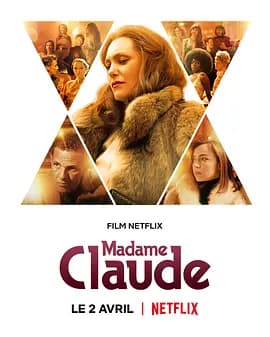
Paris, the late 1960s. Madame Claude is at the head of a flourishing business dedicated to prostitution that gives her power over both the french political and criminal worlds. But the end of her empire is closer than she thinks.
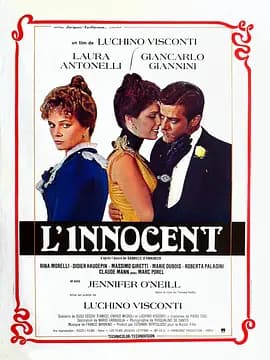
图里奥公爵(吉安卡罗·吉安尼尼 Giancarlo Giannini 饰)迎娶了美丽的妻子秋丽安娜(劳拉·安托妮莉 Laura Antonelli 饰),虽然家有娇妻,但是天性好色的图里奥公爵还是整日在外面沾花惹草,这让年轻的秋丽安娜感到非常的寂寞。 随着时间的推移,秋丽安娜渐渐无法忍受这样压抑的生活,一次偶然中,她邂逅了一位名叫达博里奥(马克·波雷尔 Marc Porel饰)的男子。达博里奥是一位贫穷的作家,虽然身无分文,但是他的才华深深的吸引了秋丽安娜,两人渐渐走到了一起。最终,这段背德的感情被图里奥公爵所知晓,然而最让他感到愤怒的并非妻子对自己的不忠,而是达博里奥低贱的身份。
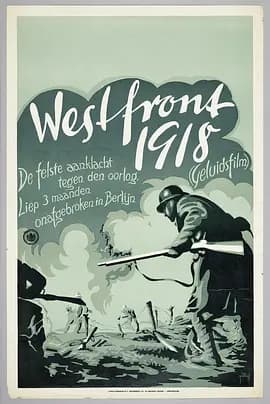
According to Sadoul in his "Dictionary Of Films": "The life and death of four average soldiers attached to the same company on the French front during the last months of World War I. Karl (Diessl), from Berlin, goes home on leave and finds his wife (Hoessrich) in bed with another man. A Bavarian (Kampers) takes life as it comes, while the lieutenant (Clausen) sticks to his duty. Anex-student (Moebis) falls in love with a French girl (Monnier) but loses her when the company moves on. All of them, sooner or later, meet a terrible end. Best sequences: the men buried alive during a bombardment; the first romantic meeting between the young student and Yvette; Berlin in the midst of food rationing with queues at all the shops; the death of the student at the hands of a wounded soldier in no-man's-land; the tank attack; the lieutenant going mad; the wounded and the dying in the ruined church converted into a field hospital. "Far better than the contemporary All Quiet On The Western Front, Westfront 1918 has little dialogue but gives tremendous dramatic force to natural sounds (Pabst refused to use music). As John C. Moore describes the final sequences: 'Pabst makes one last desperate effort to convey to us not only the horror of war but its futility and its gross stupidity as well.' Released to tremendous international acclaim, it still must be included among the finest war films ever made."