本作は、侠和会に所属する氷室蓮司と田村悠人が極道界の頂点を目指すさまを描いた「日本統一」シリーズの10周年を記念した作品。ある夜、侠和会は沖縄で銃撃戦の末、黒龍幇を倒す。しかし東京に戻った氷室の携帯に届いたのは「I’m waiting for you. Come alone.(お前を待っている。1人で来い)」というメッセージと、椅子に縛り付けられた氷室の息子・悠太の写真。悠太が高校の修学旅行で台湾にいると知った彼は、1人台湾へ飛び立つ。
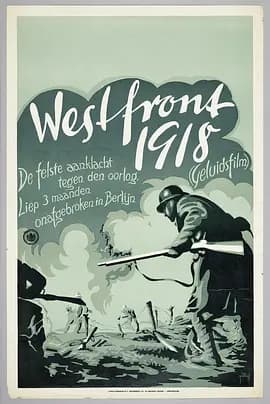
According to Sadoul in his "Dictionary Of Films": "The life and death of four average soldiers attached to the same company on the French front during the last months of World War I. Karl (Diessl), from Berlin, goes home on leave and finds his wife (Hoessrich) in bed with another man. A Bavarian (Kampers) takes life as it comes, while the lieutenant (Clausen) sticks to his duty. Anex-student (Moebis) falls in love with a French girl (Monnier) but loses her when the company moves on. All of them, sooner or later, meet a terrible end. Best sequences: the men buried alive during a bombardment; the first romantic meeting between the young student and Yvette; Berlin in the midst of food rationing with queues at all the shops; the death of the student at the hands of a wounded soldier in no-man's-land; the tank attack; the lieutenant going mad; the wounded and the dying in the ruined church converted into a field hospital. "Far better than the contemporary All Quiet On The Western Front, Westfront 1918 has little dialogue but gives tremendous dramatic force to natural sounds (Pabst refused to use music). As John C. Moore describes the final sequences: 'Pabst makes one last desperate effort to convey to us not only the horror of war but its futility and its gross stupidity as well.' Released to tremendous international acclaim, it still must be included among the finest war films ever made."