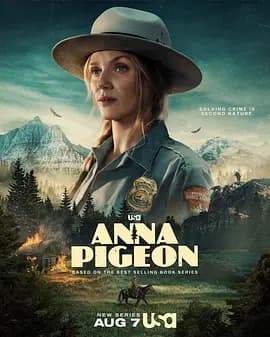
Anna Pigeon is a former city slicker who became a park ranger after a devastating loss changed the trajectory of her life forever. While Anna tries to outrun her demons, her focus turns to solving crimes that have taken place within national park grounds, no matter who or what gets in her way. The series is based on the novels by Nevada Barr.
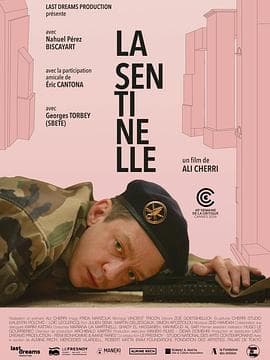
July 14, on Bastille Day. Strained by the military cadence of the barracks, Sergeant Lafleur struggles with the silent burden of duty. A doctor grants him one night of freedom, under the condition that he shall return before dawn. Nocturnal wanderings begin in the heart of a world which gradually drifts away from reality. A night suspended between destiny and desertion
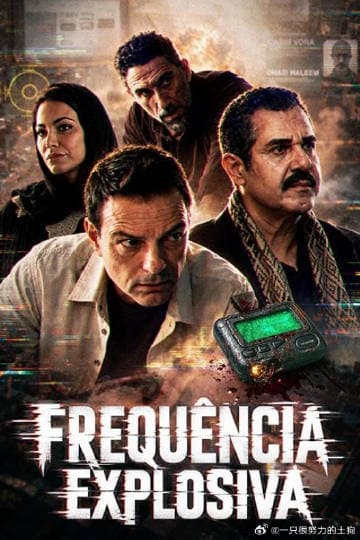
Follows a covert Israeli operation targeting Hezbollah where thousands of pagers and walkie-talkies in possession of its operatives exploded simultaneously in Lebanon.
Ethan Winter, an analytical detective, partners with driven DI Lauren Bell. His deductive genius aids her murder squad, but he's haunted by an unsolved murder of someone close to him.
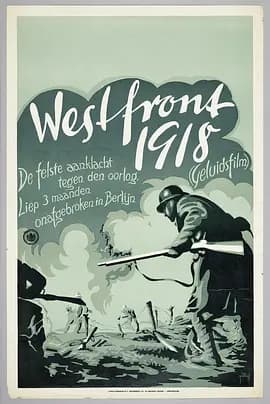
According to Sadoul in his "Dictionary Of Films": "The life and death of four average soldiers attached to the same company on the French front during the last months of World War I. Karl (Diessl), from Berlin, goes home on leave and finds his wife (Hoessrich) in bed with another man. A Bavarian (Kampers) takes life as it comes, while the lieutenant (Clausen) sticks to his duty. Anex-student (Moebis) falls in love with a French girl (Monnier) but loses her when the company moves on. All of them, sooner or later, meet a terrible end. Best sequences: the men buried alive during a bombardment; the first romantic meeting between the young student and Yvette; Berlin in the midst of food rationing with queues at all the shops; the death of the student at the hands of a wounded soldier in no-man's-land; the tank attack; the lieutenant going mad; the wounded and the dying in the ruined church converted into a field hospital. "Far better than the contemporary All Quiet On The Western Front, Westfront 1918 has little dialogue but gives tremendous dramatic force to natural sounds (Pabst refused to use music). As John C. Moore describes the final sequences: 'Pabst makes one last desperate effort to convey to us not only the horror of war but its futility and its gross stupidity as well.' Released to tremendous international acclaim, it still must be included among the finest war films ever made."