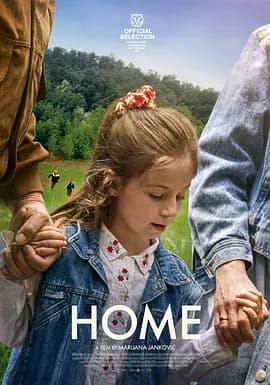
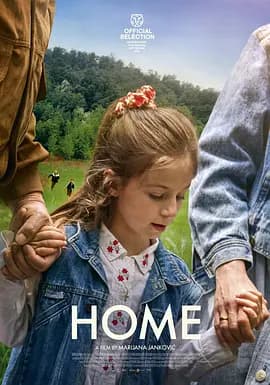
Through the eyes of a young girl uprooted from Yugoslavia to Denmark, we watch a family navigate a new world and rebuild their lives while holding on to what they left behind. Home speaks to belonging, sacrifice and the generations shaped by displacement. Maja is six years old when most of her family moves from the Yugoslav SFR to Denmark, leaving her two brothers behind for the time being, waiting to follow the rest to the promised land. Denmark proves to be far from the welcoming haven they imagined. There is a new language to learn, new customs to navigate, new skies to understand. Did they really want to stay? Maja grows up in Denmark, builds a life and a career there as an artist, yet she cannot forget all that her parents left behind. Actress-turned-director Marijana Janković was the same age as Maja when her own family left Ivangrad (today Berane) for the European north, and that is only the most superficial similarity between the two. As two of her leading men, fellow Ivangradian Dejan Čukić and Osijek’s one and only Zlatko Burić, will surely know, the details of Maja’s or Marijana’s story may be specific, but the larger flow of things has remained the same across generations and countries of origin.
1942年,11岁的小约瑟夫(约瑟夫·魏斯曼 Joseph Weismann 饰)正是天真烂漫的年纪。盛夏六月的一个清晨,小约瑟夫穿着一件胸口缝着黄色小星星的衣服,正要兴致冲冲地去上学。旧货商邻居鼓励他好好上课,而面包师傅却开他玩笑。他的犹太小伙伴和他的家人在蒙马特高地学习和生活。即使这是块被占领的法国区域,他们仍然得到了暂时的庇护。然而这短暂的幸福和宁静,很快就崩塌了。 1942年7月16日早上,在埃菲尔铁塔附近的冬季自行车赛车场里,一万三千名受害者被凶残的虏获在一起,准备运往波纳·拉·罗兰德集中营。影片根据真实事件改编而成。