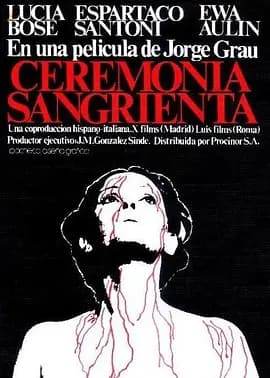
In the late nineteenth century, Ellen Creed works as the live-in companion to Miss Leonora Fiske, a retired actress who lives in the English countryside and who still retains her theatrical mannerisms. Ellen receives notice that the landlady of her two sisters, Emily Creed and Louisa Creed, who currently live in London, is threatening to call the police to haul them away to an asylum because of their disruptive behavior due to their mentally deranged state. Ellen will not allow her sisters to be institutionalized, and convinces Miss Fiske to allow them to stay with them for a couple of days. Miss Fiske was unaware of their deranged mental state when she agreed and is also unaware that Ellen hopes to make their stay permanent. Both issues eventually become apparent to Miss Fiske, who cannot tolerate how Emily and Louisa disrupt her home life. However, Ellen "convinces" Miss Fiske to take an extended leave from the house, while Ellen tells her sisters that she bought the house from Miss Fiske, which the sisters are not to tell anyone else. The secrets that Ellen is keeping about the situation threaten to bring her and her sisters' lives down when they receive a visit from their distant nephew Albert Feather, a cad who has his own financial well being as his main priority.
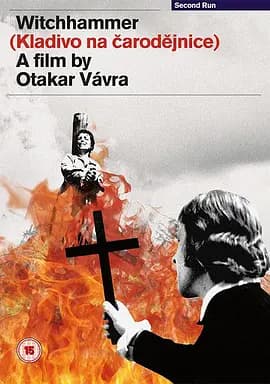
In a Czech town in the seventeenth century, an elderly woman enters a church to accept communion. Her true purpose is to collect the holy host for a midwife who needs it to treat an ailing dairy cow. The woman is caught and is forced to explain her sacrilegious actions. Religious and secular authorities agree that she is in league with witches and may even be a witch herself. This prompts an inquisition where confessions are obtained through threats and torture. A tribunal is held to provide a legal facade. Though the hunt is initially confined to the impoverished fringes of local society, the hysteria soon expands to the point that no one, not even leading citizens, is safe. The ultimate target is a clergyman, Deacon Lautner, who defies the righteous men of the tribunal. Based on actual trial records from the 1678 to 1695 period, this well made Czech film features excellent performances and strong production values. It is somewhat extreme by 1969 standards.
Crowe will play ageing but formidable club owner, Manco Kapak who has been robbed by a masked gunman. Now, his aspirations of selling his club and riding off into the sunset alongside his girlfriend appear more distant than ever. Cartel bosses are breathing down his neck and a young upstart has been posing as the new guy in town eager to purchase the club.