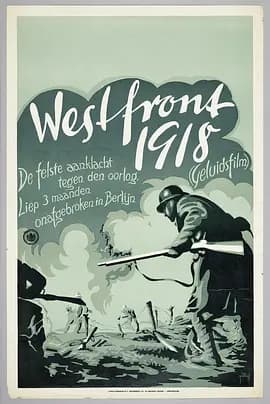
According to Sadoul in his "Dictionary Of Films": "The life and death of four average soldiers attached to the same company on the French front during the last months of World War I. Karl (Diessl), from Berlin, goes home on leave and finds his wife (Hoessrich) in bed with another man. A Bavarian (Kampers) takes life as it comes, while the lieutenant (Clausen) sticks to his duty. Anex-student (Moebis) falls in love with a French girl (Monnier) but loses her when the company moves on. All of them, sooner or later, meet a terrible end. Best sequences: the men buried alive during a bombardment; the first romantic meeting between the young student and Yvette; Berlin in the midst of food rationing with queues at all the shops; the death of the student at the hands of a wounded soldier in no-man's-land; the tank attack; the lieutenant going mad; the wounded and the dying in the ruined church converted into a field hospital. "Far better than the contemporary All Quiet On The Western Front, Westfront 1918 has little dialogue but gives tremendous dramatic force to natural sounds (Pabst refused to use music). As John C. Moore describes the final sequences: 'Pabst makes one last desperate effort to convey to us not only the horror of war but its futility and its gross stupidity as well.' Released to tremendous international acclaim, it still must be included among the finest war films ever made."
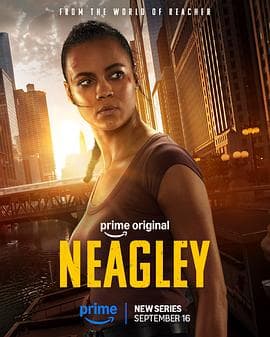
The offshoot would center on Maria Sten‘s fan favorite character Frances Neagley, a corporate security professional and former military colleague of Jack Reacher (Alan Ritchson) in the Army’s 110th Special Investigations Unit.
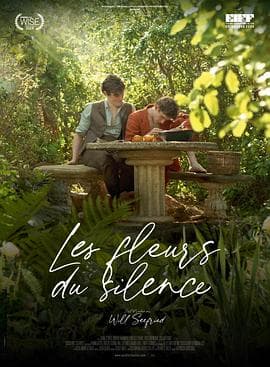
An intricately constructed, lyrical and heartbreaking film about two young men wrestling with their sexuality in the repressive English society of the 1920s.
Told in elegant flashback, an institutionalised novelist recounts the story of his love affair with a friend, convinced their shared sexuality could be ‘cured’.
Visually striking, beautifully acted and defined by a haunting mix of romanticism and unflinching horror, this bold film bravely examines a shamefully neglected period in queer history.