主演:理查德·古提尔瑞兹 / Janice de Belen / 伊万娜·阿拉维 / 卡拉·阿贝拉娜
From the haunted halls of the abbey in the past, a murderous rampage on Halloween in the present, to a monstrous apocalypse in the future; the seventeenth installment brings three tales of terror through every cycle.
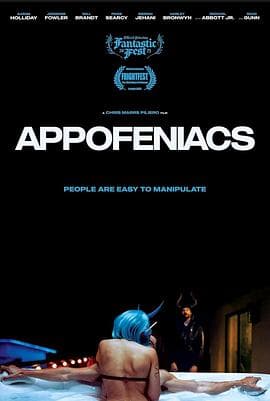
Appofeniacs is a riff on the term “apophenia” which is the tendency to find connections or patterns in things that are unrelated or random — common examples being confirmation bias and paranoia. T
Peter (Sean de Guzman) was a videographer for weddings and events. However, on his free time (which is a lot lately), he hung out in a remote picturesque lakeside camping area where couples came to do their coupling in open air. Peter would stalk these couples and sneakily take videos of their lovemaking while getting himself off. He would then post these sex videos on an online porn site to make money out of them. One day, Peter was stalking a young woman Mia (Cara Gonzales) and videoed her while she was taking a shower. Instead of getting angry, Mia was friendly to him. However, she had a gruff and sinister-looking boyfriend RJ (Josef Elizalde) with her, who did not appreciate Peter hanging around with his girlfriend. The next time Peter was surreptitiously videoing Mia and RJ having sex, he witnessed Mia suddenly slash RJ in the neck.
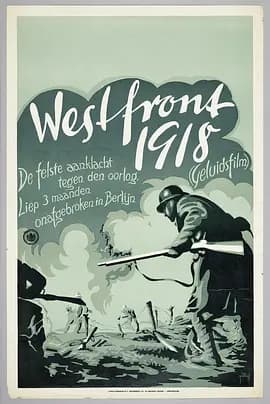
According to Sadoul in his "Dictionary Of Films": "The life and death of four average soldiers attached to the same company on the French front during the last months of World War I. Karl (Diessl), from Berlin, goes home on leave and finds his wife (Hoessrich) in bed with another man. A Bavarian (Kampers) takes life as it comes, while the lieutenant (Clausen) sticks to his duty. Anex-student (Moebis) falls in love with a French girl (Monnier) but loses her when the company moves on. All of them, sooner or later, meet a terrible end. Best sequences: the men buried alive during a bombardment; the first romantic meeting between the young student and Yvette; Berlin in the midst of food rationing with queues at all the shops; the death of the student at the hands of a wounded soldier in no-man's-land; the tank attack; the lieutenant going mad; the wounded and the dying in the ruined church converted into a field hospital. "Far better than the contemporary All Quiet On The Western Front, Westfront 1918 has little dialogue but gives tremendous dramatic force to natural sounds (Pabst refused to use music). As John C. Moore describes the final sequences: 'Pabst makes one last desperate effort to convey to us not only the horror of war but its futility and its gross stupidity as well.' Released to tremendous international acclaim, it still must be included among the finest war films ever made."