Eine junge Rennwagen-Mechanikerin täuscht eine Verlobung mit dem skandalträchtigsten Racing-Star der Szene vor – offiziell für seinen Ruf, insgeheim für ihre eigene Chance am Steuer. Doch bald droht die Lüge alles zu zerstören, auch das, was längst mehr ist als nur ein Spiel...
The film is based on the life of Razia Sultan (1205–1240), the only female Sultan of Delhi (1236–1240) and her speculated love affair with the Abyssinian slave, Jamal-ud-Din Yakut.
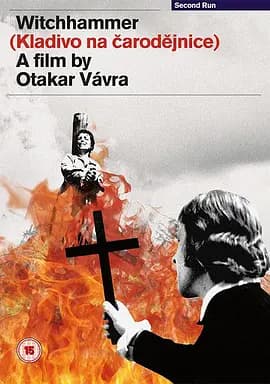
In a Czech town in the seventeenth century, an elderly woman enters a church to accept communion. Her true purpose is to collect the holy host for a midwife who needs it to treat an ailing dairy cow. The woman is caught and is forced to explain her sacrilegious actions. Religious and secular authorities agree that she is in league with witches and may even be a witch herself. This prompts an inquisition where confessions are obtained through threats and torture. A tribunal is held to provide a legal facade. Though the hunt is initially confined to the impoverished fringes of local society, the hysteria soon expands to the point that no one, not even leading citizens, is safe. The ultimate target is a clergyman, Deacon Lautner, who defies the righteous men of the tribunal. Based on actual trial records from the 1678 to 1695 period, this well made Czech film features excellent performances and strong production values. It is somewhat extreme by 1969 standards.
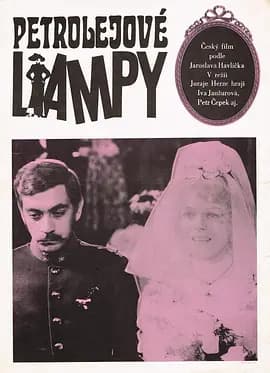
In small czech town named Jilemnice live unfortunate, but brave and jovial woman Štěpa Kiliánová, whose only desire was to fill the void in her virgin life. In despair and excessive trust, she married a sardonic, reclusive man, former lieutenant and gambler Pavel Malina, whose only wish was finally found peace and forgetting the past. They lived through unrequited love, dislike and disappointment. But no one knew that her groom begin to show signs of cerebral disease, which in the coming years engulf his sanity.